Two satellite proposals threaten the night sky
THE WINDOW TO ACT IS NOW
In the United States, the Federal Communications Commission (FCC), the agency responsible for authorizing satellite launches and operations, is reviewing two proposals of unprecedented scale and consequence. If approved, they would alter the night sky as we know it, with impacts that would be increasingly difficult, if not impossible, to reverse.
Both proposals are currently open for public comment, making this a critical moment for public engagement as the FCC considers satellite proliferation at unprecedented scales and technologies that pose serious risks to the nighttime environment.
Reflect Orbital’s plan to illuminate Earth at night
The first proposal comes from Reflect Orbital, which plans to deploy satellites fitted with in-space mirrors to beam reflected sunlight back to Earth at night. Marketed as “sunlight on demand,” the company says the system could extend daylight for solar farms or be sold to cities to illuminate streets at brightness levels exceeding three times that of the full moon.
Such illumination would introduce an entirely new source of artificial light at night, with far-reaching consequences, including disruption to wildlife and ecosystems that depend on natural cycles of light and dark, as well as serious public safety concerns.
SpaceX’s proposal to launch one million satellites into low Earth orbit
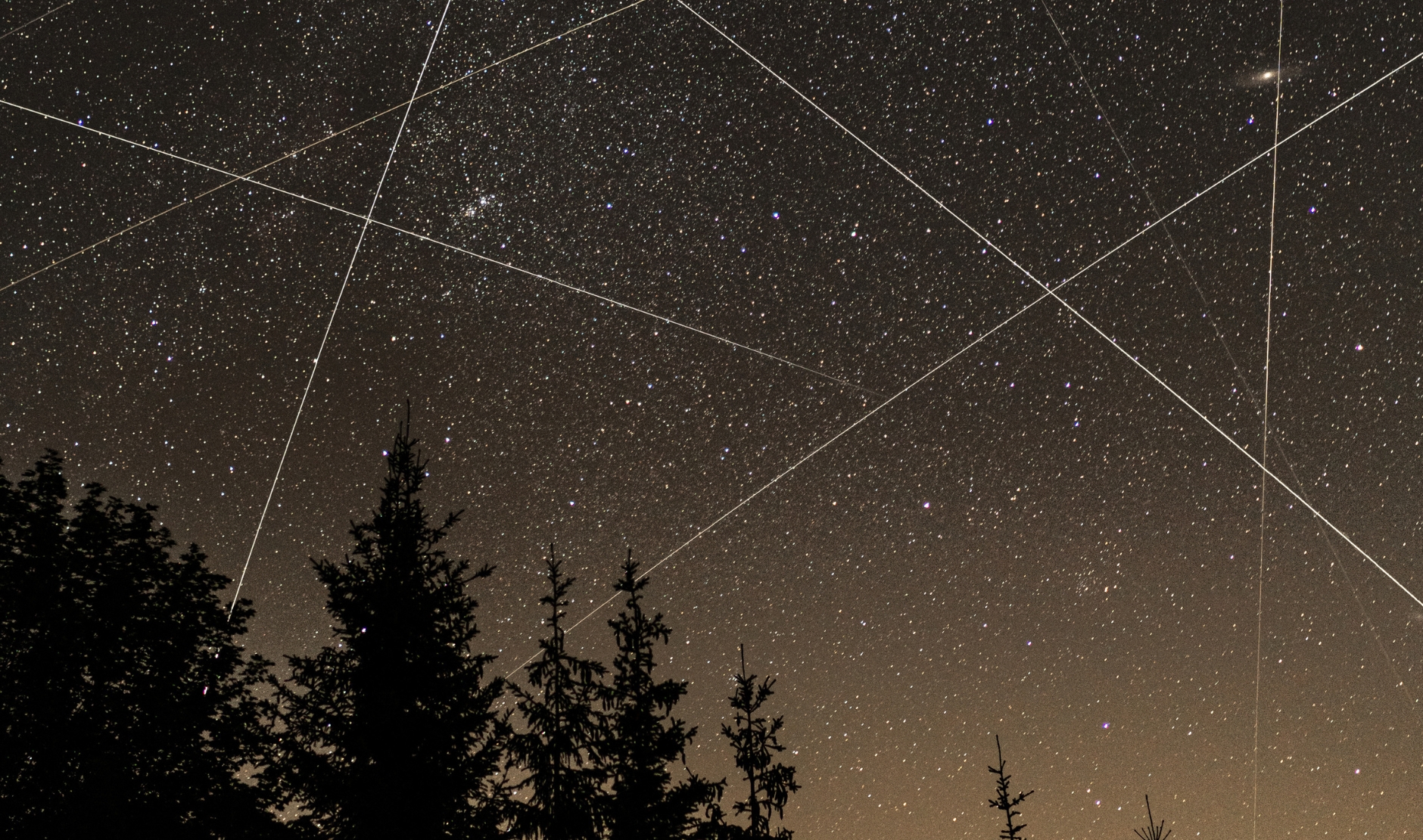
The second proposal is even more striking in its scale. SpaceX has asked the FCC for permission to launch up to one million satellites, described in its filing as orbital data centers, as part of an expansion of its artificial intelligence infrastructure.
To put that number in perspective, there are currently about 14,500 active satellites in low Earth orbit. Approving the request would increase that figure by nearly 70 times. Once deployment begins at that scale, potentially involving thousands of launches each year, the effects on the night sky, orbital congestion, and the broader environment would be extraordinarily difficult to reverse. Proposals of this magnitude warrant rigorous scrutiny, transparency, and meaningful public input before any approval is considered.
Source: DarkSky.org
Here are the comments that I sent to the FCC:
SAT-LOA-20250701-00129.pdf
SAT-LOA-20260108-00016.pdf